Why Bias Detection Matters
AI models influence decision-making in healthcare, hiring, finance, education, and more. If left unchecked, hidden biases in data or algorithms can lead to unfair, discriminatory, or inaccurate outcomes. Detecting and mitigating these biases is essential for building trustworthy, ethical, and inclusive AI systems.
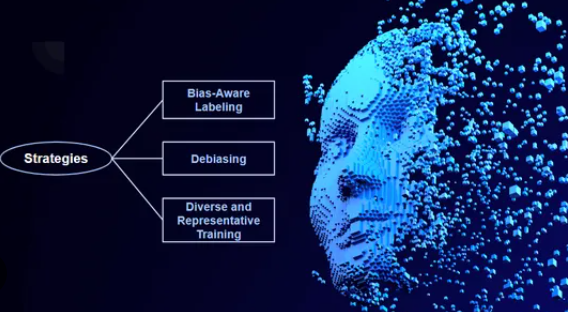
Sources of Bias in AI
- Data Bias: Skewed or underrepresented data during training.
- Algorithmic Bias: Model design or optimization techniques that favor certain groups.
- Human Bias: Prejudices unintentionally embedded by developers or annotators.
- Systemic Bias: Broader social or structural inequalities reflected in datasets.
Our Approach to Bias Detection
- Dataset Analysis
- Check data distributions for underrepresented groups.
- Identify sampling imbalances and hidden correlations.
- Model Evaluation
- Run fairness tests across demographic slices (gender, age, ethnicity, etc.).
- Measure disparities in accuracy, precision, recall, and error rates.
- Bias Auditing Tools
- Use statistical and ML-based bias detection frameworks.
- Highlight cases of disparate impact and explainability gaps.
- Human-in-the-Loop Validation
- Combine automated testing with expert human review.
- Ensure fairness checks are grounded in real-world ethical standards.
Impact of Our Work
- Builds trustworthy AI that organizations can safely deploy.
- Supports regulatory compliance with fairness and transparency guidelines.
- Enhances brand reputation by promoting ethical and inclusive practices.
- Prevents business risks related to biased outcomes and legal challenges.